Why Natural Light Matters More Than You Think
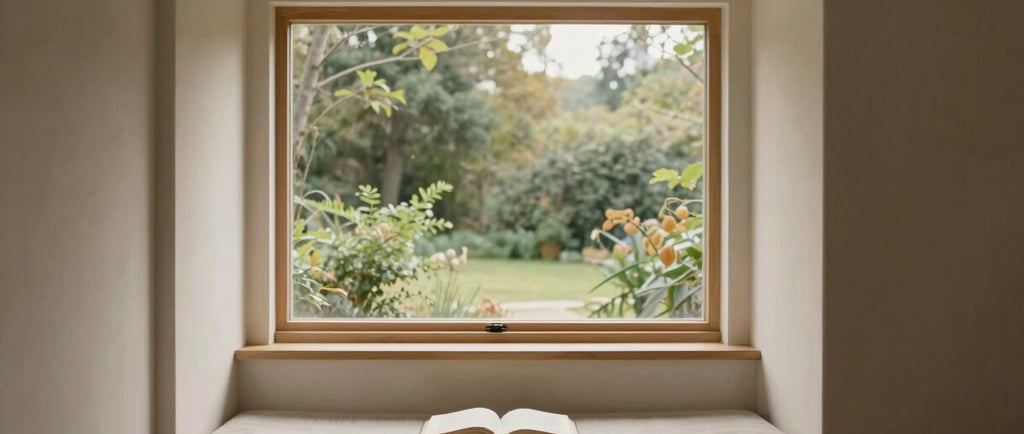
Light shapes the way a home feels. Natural light is often treated as a visual feature. We notice when a room feels bright, airy or welcoming, but daylight influences far more than appearance. It affects how we experience colour, texture, time, comfort and the rhythm of everyday life. A well-lit home can feel more open and restorative. A poorly lit one can feel flat, disconnected or tiring, even when the furniture and finishes are beautifully designed.
Mika Faria
7/20/20264 min read
Why Natural Light Matters More Than You Think
Category: Healthy Homes
Reading time: 6 minutes
Light shapes the way a home feels.
Natural light is often treated as a visual feature.
We notice when a room feels bright, airy or welcoming, but daylight influences far more than appearance. It affects how we experience colour, texture, time, comfort and the rhythm of everyday life.
A well-lit home can feel more open and restorative. A poorly lit one can feel flat, disconnected or tiring, even when the furniture and finishes are beautifully designed.
This is why natural light is one of the most important foundations of Biophilic Design.
It connects us to the outside world and reminds the body that time is moving.
Daylight Creates a Connection With Nature
Nature is never static.
Light changes throughout the day, across the seasons and in response to the weather. Morning light feels different from evening light. Winter light has a different quality from summer light.
When daylight enters a home, it brings some of this movement indoors.
Shadows shift across walls, materials reveal different tones and rooms change gradually over time.
This variation creates a more dynamic experience than artificial lighting alone.
A home feels more alive because it responds to the environment beyond its walls.
Natural Light Supports Daily Rhythm
Our bodies are sensitive to patterns of light and darkness.
Morning light helps signal the beginning of the day, while lower light levels in the evening support a gradual transition towards rest.
Modern homes can easily disrupt this rhythm.
We may wake in dark rooms, spend the day under artificial lighting and use bright screens late into the evening. Over time, the distinction between day and night becomes less clear.
Designing with natural light helps restore some of that structure.
The goal is not to create the brightest possible home. It is to create a home that responds to the changing qualities of daylight.
Brightness Is Not the Same as Comfort
More light is not always better.
A room can receive plenty of daylight and still feel uncomfortable if it creates glare, overheating or harsh contrast.
Good daylight design requires balance.
This may involve:
Filtering intense sunlight with curtains or blinds
Positioning furniture away from direct glare
Using lighter surfaces to reflect daylight deeper into a room
Creating shaded areas for rest
Choosing window treatments that allow privacy without blocking all natural light
Combining direct and indirect light
Comfort comes from controlling light rather than simply increasing it.
The Direction of Light Matters
Different orientations create different experiences.
East-facing rooms often receive softer morning light, making them well suited to bedrooms, breakfast areas or morning routines.
South-facing rooms can receive stronger and more consistent daylight, depending on climate and location.
West-facing rooms may experience intense afternoon light and overheating during warmer months.
North-facing rooms usually receive cooler and more diffuse light.
There is no universally perfect orientation.
The best approach is to understand how each room is used and work with the daylight already available.
Natural Light Reveals Materials Honestly
Materials behave differently under natural light.
Timber becomes warmer. Stone reveals subtle variation. Linen shows its weave. Plaster gains depth through shadow.
Artificial lighting can flatten these qualities or alter colour perception.
This is especially important when selecting finishes for a home.
A material should always be observed in the room where it will be used, at different times of day. What appears warm and balanced in a showroom may look completely different in another environment.
Daylight helps us understand materials more truthfully.
Start by Observing Your Home
Before changing anything, spend one day paying attention to light.
Notice:
Which rooms receive morning light
Where glare appears
Which spaces feel dark
How shadows move
Whether curtains block more light than necessary
Which surfaces reflect or absorb daylight
Where you naturally choose to sit
This simple observation can reveal more than buying a new lamp or repainting a room.
It helps you understand the relationship between your home, your routines and the natural environment.
Simple Ways to Improve Natural Light
You do not need larger windows to make better use of daylight.
Begin with small changes:
Keep window areas clear
Move tall furniture away from openings
Use mirrors carefully to redirect light
Choose lighter finishes in darker rooms
Clean windows regularly
Replace heavy curtains with layered window treatments
Place workspaces closer to natural light
Use reflective surfaces in moderation
The objective is not to make every room look white or minimal.
It is to allow daylight to move more freely through the space.
Design With Light, Not Against It
Natural light should not be treated as an afterthought.
It influences where furniture should be placed, how materials are selected and how a room is used throughout the day.
A reading corner may work beautifully in the morning but become uncomfortable in the afternoon. A bedroom may benefit from soft sunrise light, while a home office may require protection from screen glare.
When light becomes part of the design process, the home begins to respond more closely to human needs.
A Home That Changes With the Day
One of the most beautiful qualities of natural light is that it introduces change.
The same room can feel calm in the morning, vibrant at midday and intimate in the evening.
This variation creates a deeper relationship with place and time.
A well-designed home does not remain visually identical throughout the day.
It evolves.
And in doing so, it helps us remain connected to the natural rhythms beyond our walls.
Continue Your Journey
Begin by observing how daylight moves through your home today.
Then download the free Home Detox Starter Guide to explore seven simple ways to create a healthier and more restorative living environment.
For a deeper understanding of Biophilic Design, environmental psychology and nature-inspired interiors, discover Designing with Nature: A Step-by-Step Guide to Biophilic Interior Design.
Designing with Nature
An educational platform for biophilic design and restorative interiors.
© 2026 Designing with Nature-Educational platform by Mika Faria.