Why Houseplants Alone Won't Create a Biophilic Home
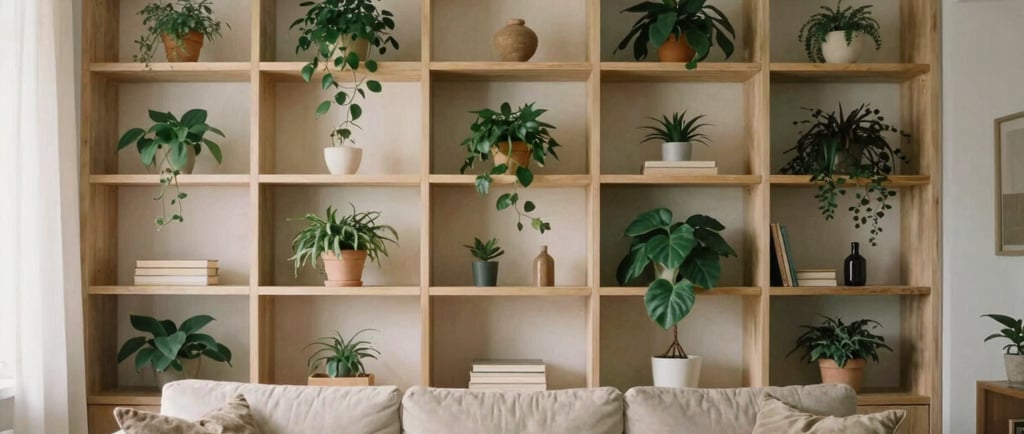
Plants are wonderful—but they are only the beginning. When people first hear the term Biophilic Design, they often imagine homes filled with large indoor plants, green walls and botanical décor. While plants certainly contribute to healthier and more vibrant interiors, they are only one piece of a much larger picture. A home can contain dozens of plants and still feel stressful, disconnected or uncomfortable.
Mika Faria
7/20/20263 min read
Why Houseplants Alone Won't Create a Biophilic Home
Category: Biophilic Design
Reading time: 5 minutes
Plants are wonderful—but they are only the beginning.
When people first hear the term Biophilic Design, they often imagine homes filled with large indoor plants, green walls and botanical décor.
While plants certainly contribute to healthier and more vibrant interiors, they are only one piece of a much larger picture.
A home can contain dozens of plants and still feel stressful, disconnected or uncomfortable.
Likewise, a home with very few plants can still provide a deeply restorative experience if it has been thoughtfully designed around the principles of Biophilic Design.
The goal is not simply to decorate with nature.
It is to create a meaningful relationship between people and the natural world through the spaces they inhabit.
The Difference Between Decoration and Design
Adding a plant to a room is a decorative choice.
Biophilic Design is a design philosophy.
It considers how every aspect of a space influences human wellbeing, from the way daylight moves through a room to the textures we touch every day.
Rather than asking:
"Where can I put another plant?"
Biophilic Design asks:
"How can this space help people feel healthier, calmer and more connected to nature?"
That shift in thinking changes everything.
A Truly Biophilic Home Engages All the Senses
Nature is not experienced through sight alone.
We experience it through sound, touch, scent, movement and changing light throughout the day.
A restorative home might include:
Morning sunlight entering the kitchen.
Natural timber beneath your fingertips.
Fresh air moving through open windows.
Gentle shadows created by daylight.
Views towards trees or the sky.
Natural fabrics such as linen or wool.
Calm colour palettes inspired by the landscape.
Spaces that encourage rest and reflection.
Together, these experiences create an environment that feels intuitive and restorative.
Why Balance Matters
Imagine a room filled with beautiful tropical plants.
Now imagine that same room has:
Poor natural light.
Constant artificial lighting.
No ventilation.
Loud echoes.
Plastic finishes.
Cluttered furniture.
No comfortable place to relax.
Despite the abundance of greenery, the room may still feel uncomfortable.
This is because wellbeing is shaped by the relationship between many different environmental factors rather than a single design element.
Biophilic Design works best when those elements support one another.
Start With the Environment, Not the Accessories
Before buying more plants or decorative objects, take a moment to observe your home.
Ask yourself:
Does natural light reach the spaces where I spend most of my time?
Can I open windows to improve ventilation?
Are my materials pleasant to touch?
Is there unnecessary visual clutter?
Do I have a place where I genuinely feel relaxed?
Can I see nature from inside my home?
These questions often reveal opportunities that are far more impactful than purchasing another houseplant.
Small Changes Can Have a Lasting Impact
Creating a healthier home does not require a complete renovation.
Simple adjustments can gradually transform the way a space feels.
You might begin by:
Rearranging furniture to maximise daylight.
Keeping window areas unobstructed.
Introducing natural materials where possible.
Reducing unnecessary visual distractions.
Creating one quiet corner dedicated to rest.
Opening windows regularly to encourage fresh air.
These small decisions build the foundation of a more restorative home.
Biophilic Design Is About Human Experience
At its heart, Biophilic Design is not about filling a home with natural objects.
It is about designing environments that support the physical and emotional needs of the people who live in them.
Plants play an important role, but they are only one expression of a much broader approach.
When natural light, fresh air, materials, comfort and sensory experience work together, the result is a home that feels alive—not because of what it contains, but because of how it makes you feel.
Continue Your Journey
Want to begin applying these ideas in your own home?
Download the free Home Detox Starter Guide, where you'll discover seven simple ways to create a healthier and more restorative living environment.
For a deeper exploration of Biophilic Design and practical design strategies, explore Designing with Nature: A Step-by-Step Guide to Biophilic Interior Design.
Designing with Nature
An educational platform for biophilic design and restorative interiors.
© 2026 Designing with Nature-Educational platform by Mika Faria.