What Is Biophilic Design? A Beginner's Guide to Creating Healthier Homes
Most of us think of interior design as something visual—a way to make a space more beautiful, more stylish or more functional. But what if good design could also help us feel calmer, sleep better and reconnect with what matters most? This is where Biophilic Design begins. Far beyond adding a few plants to a room, Biophilic Design is an approach that strengthens the relationship between people and nature through the spaces we live in.
Mika Faria
7/20/20262 min read
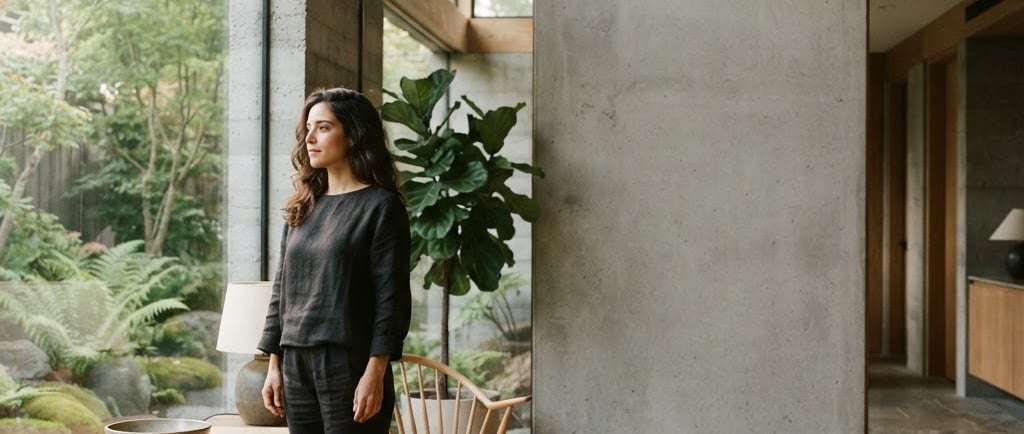
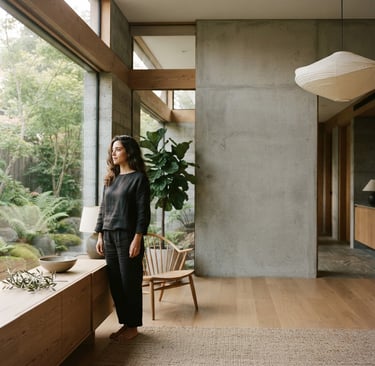
What Is Biophilic Design? A Beginner's Guide to Creating Healthier Homes
Category: Biophilic Design
Reading time: 6 minutes
Our homes influence more than we realise.
Most of us think of interior design as something visual—a way to make a space more beautiful, more stylish or more functional.
But what if good design could also help us feel calmer, sleep better and reconnect with what matters most?
This is where Biophilic Design begins.
Far beyond adding a few plants to a room, Biophilic Design is an approach that strengthens the relationship between people and nature through the spaces we live in.
It asks a simple question:
How can our homes help us feel more connected, restored and supported by nature every day?
What Does "Biophilic" Mean?
The word biophilia comes from the Greek words:
Bio = life
Philia = love or affinity
The term was popularised by the biologist Edward O. Wilson, who proposed that humans have an innate tendency to seek connections with nature and other living systems.
For thousands of years, we evolved outdoors.
Natural light, changing seasons, fresh air, vegetation and flowing water shaped the environments in which our bodies and minds developed.
Today, however, many of us spend around 90% of our time indoors.
Biophilic Design aims to bridge that gap by reintroducing meaningful experiences of nature into the built environment.
Biophilic Design Is More Than Plants
One of the most common misconceptions is that Biophilic Design simply means filling a home with plants.
Plants can certainly play a role, but they are only one small part of a much broader design approach.
A truly biophilic home considers elements such as:
Natural daylight
Fresh air and ventilation
Views towards nature
Natural materials like timber and stone
Organic patterns and textures
Spatial comfort
Sensory experiences
Refuge and prospect
Seasonal change
A stronger relationship between indoors and outdoors
Together, these elements create environments that feel intuitive, restorative and deeply human.
Why Does It Matter?
Research in environmental psychology has shown that the spaces around us can influence how we think, feel and behave.
While every person experiences space differently, thoughtful design can support everyday wellbeing by helping create environments that encourage:
Better comfort
Reduced visual stress
Greater connection with nature
Improved focus
A stronger sense of calm
More enjoyable daily routines
Biophilic Design is not about creating perfection.
It is about creating spaces that better support the people who live in them.
Simple Ways to Introduce Biophilic Design at Home
You don't need to renovate your entire house to begin.
Small changes can make a meaningful difference over time.
Start by:
Opening your windows every morning.
Maximising natural daylight before switching on artificial lighting.
Choosing natural materials where possible.
Reducing unnecessary visual clutter.
Creating one quiet, restorative corner in your home.
Spending time near views of nature.
Introducing plants that suit your lifestyle and available light.
The goal is not to transform your home overnight.
It is to make thoughtful improvements that support the way you want to live.
A Different Way of Thinking About Home
Biophilic Design invites us to see our homes differently.
Not simply as places we decorate.
But as environments that shape our everyday experiences.
Every material, every window, every source of light and every connection with nature contributes to how a space feels.
When we begin to notice those relationships, our design decisions become more intentional.
Continue Your Journey
If this is your first introduction to Biophilic Design, you're only scratching the surface.
Download the free Home Detox Starter Guide to discover seven practical ways to begin creating a healthier home today.
And if you'd like to explore the principles in greater depth, Designing with Nature: A Step-by-Step Guide to Biophilic Interior Design offers a comprehensive introduction to Biophilic Design, environmental psychology and practical strategies for designing homes that feel as good as they look.
Designing with Nature
An educational platform for biophilic design and restorative interiors.
© 2026 Designing with Nature-Educational platform by Mika Faria.